
How to Choose the Right Aviation Building for Aircraft Storage and Operations
Aircraft require specialized facilities that protect equipment, support operations, and meet strict aviation requirements. Whether you are building a private hangar, a commercial maintenance facility, or a multi-aircraft storage building, selecting the right aviation structure is critical for safety, efficiency, and long term value.
Modern aviation buildings are typically constructed using pre engineered steel building systems because they offer clear span interiors, durability, and flexibility for expanding operations. However, choosing the right building requires careful planning around aircraft size, operational needs, environmental conditions, and regulatory requirements.
This guide explains the key factors to consider when selecting an aviation building for aircraft storage and operations.
Why Aviation Buildings Require Specialized Design
Aircraft storage facilities are not standard warehouses. They must accommodate large wingspans, specialized door systems, and operational workflows such as fueling, maintenance, and aircraft movement.
A properly designed aviation building should provide
• Wide clear spans to accommodate aircraft wings
• Large door openings for easy aircraft access
• High structural strength to withstand wind loads
• Corrosion resistant materials
• Adequate ventilation and fire safety systems
• Space for maintenance, storage, and offices
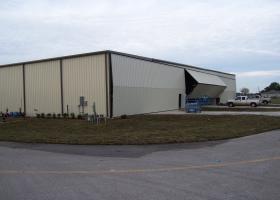
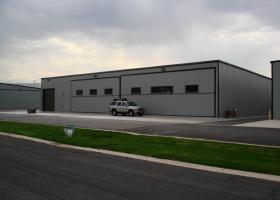
Pre engineered steel aviation buildings are commonly used because they can support large open interiors without interior support columns that could obstruct aircraft movement.
Types of Aviation Buildings
Different aviation operations require different types of facilities. Understanding these categories helps determine the right building configuration.
Aircraft Hangars
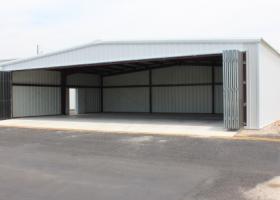
Aircraft hangars are the most common aviation building. They are designed primarily for aircraft storage and protection.
Common hangar uses include
• Private aircraft storage
• Corporate aviation fleets
• Flight schools
• Charter operators
Hangars often include additional space for offices, storage rooms, and maintenance equipment.
Maintenance and Repair Facilities
Maintenance hangars require larger floor areas and additional structural capacity to accommodate equipment, cranes, and service bays.
These buildings typically include
• Dedicated maintenance bays
• Tool storage areas
• Parts inventory storage
• Inspection areas
• Technician workspaces
Large clear spans are essential so technicians can safely work around aircraft.
Fixed Base Operator Facilities
Fixed base operators provide services to pilots and passengers such as fueling, ground handling, and aircraft parking.
FBO facilities often combine several building components
• Aircraft hangars
• Office space
• Passenger lounges
• Fuel storage areas
• Operations control rooms
These facilities must balance operational efficiency with customer experience.
Key Factors When Choosing an Aviation Building
Selecting the right aviation building requires evaluating several operational and structural factors.
Aircraft Size and Wingspan
The size of the aircraft being stored is the most important factor when determining building dimensions.
Key measurements include
• Wingspan
• Aircraft height
• Tail height
• Aircraft length
The hangar door opening must be large enough to accommodate the aircraft safely while allowing room for maneuvering.
For example
Small private aircraft hangars may require widths of 40 to 60 feet, while commercial aircraft facilities may require clear spans exceeding 200 feet.
Pre engineered steel buildings are widely considered the best option for aircraft hangars because they provide large clear spans, high structural strength, and customizable layouts that accommodate different aircraft sizes and operational needs.
Hangar width depends on the aircraft wingspan and the number of aircraft stored. Small private hangars may be 40 to 60 feet wide, while commercial hangars can exceed 200 feet in clear span.